Graphy Shape Memory Aligner
The digital design specifies the shell geometry. The aligner is printed directly in shape memory resin, then cleaned and post-cured.



They look similar, but the differences are huge.
See how two materials responded after a controlled bend in a laboratory study.
Recovered close to its original shape in the lab test.
The PETG sample stayed bent under the same test conditions.
In a controlled bending test at 37 °C (98.6 °F), printed TC-85 resin specimens recovered about 96% of the bend after 60 minutes. The animation illustrates the material response and compresses the timing. Read the material study.
Graphy prints the aligner directly from its digital design. Conventional thermoforming shapes a heated sheet over a model. That difference changes how the appliance is made and what the design can control.
The digital design specifies the shell geometry. The aligner is printed directly in shape memory resin, then cleaned and post-cured.
A plastic sheet is heated, formed over a model, and trimmed. The sheet conforms to the model as it is pulled or pressed into shape.
Light passes through the clear floor of the resin tank. The illuminated area hardens, the platform lifts, and the next cross-section is exposed. The aligner itself takes shape on the platform.
Ready to print
Direct printing lets Graphy define the shell and margin in the digital design. These illustrations show Graphy’s design approach alongside an example of a thermoformed fit.
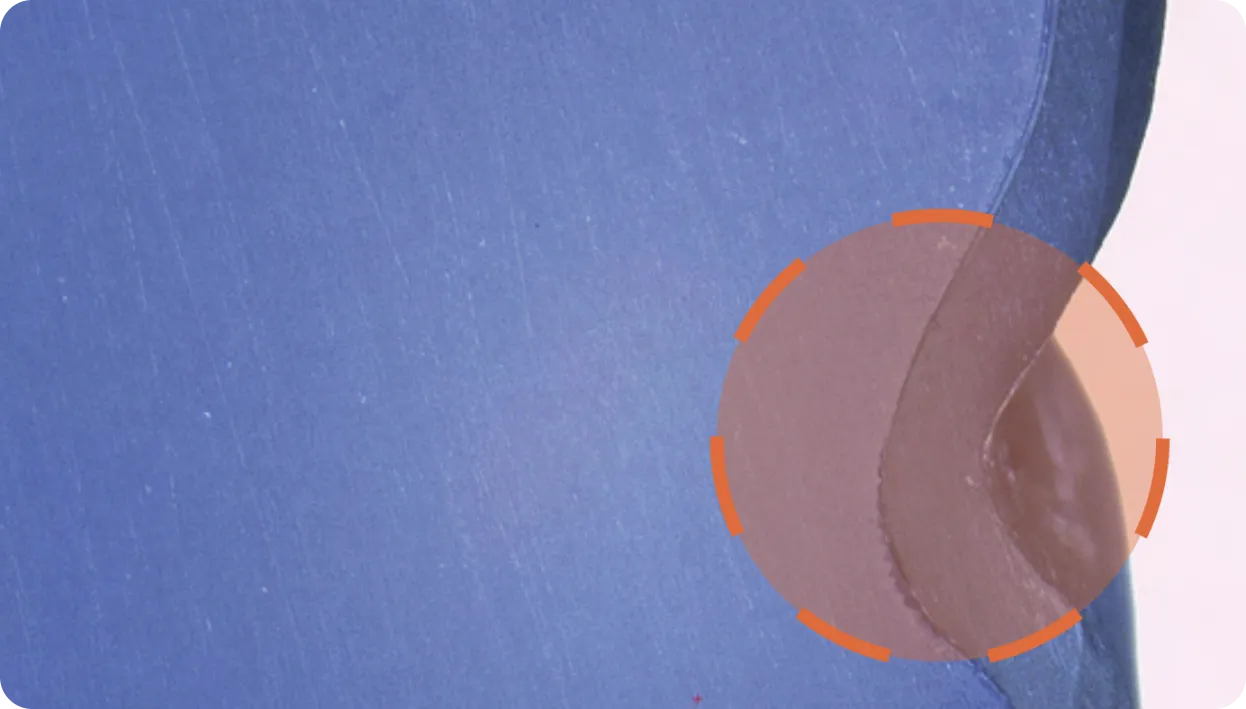
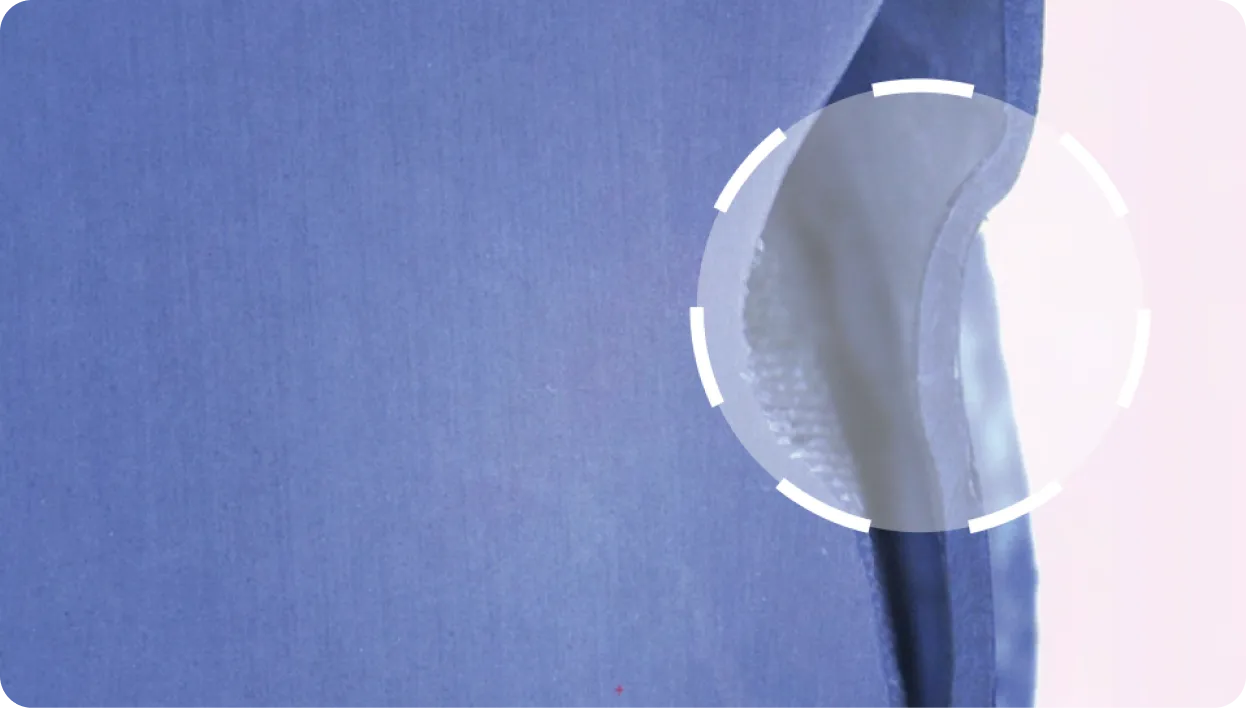
Graphy’s resin is designed to recover its programmed shape at oral temperature. Graphy describes this recovery as part of how the appliance delivers light, continuous force. Use the research library to evaluate the evidence for specific movements and case types.
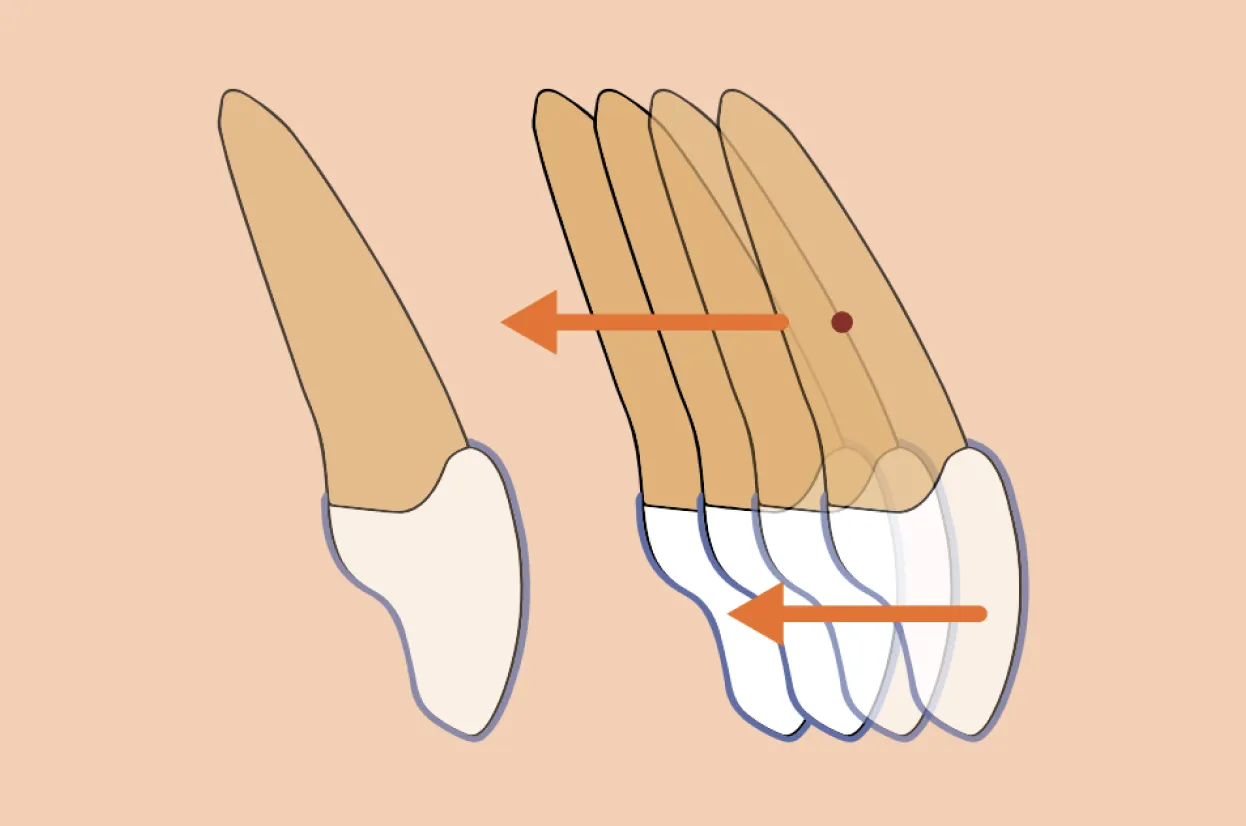
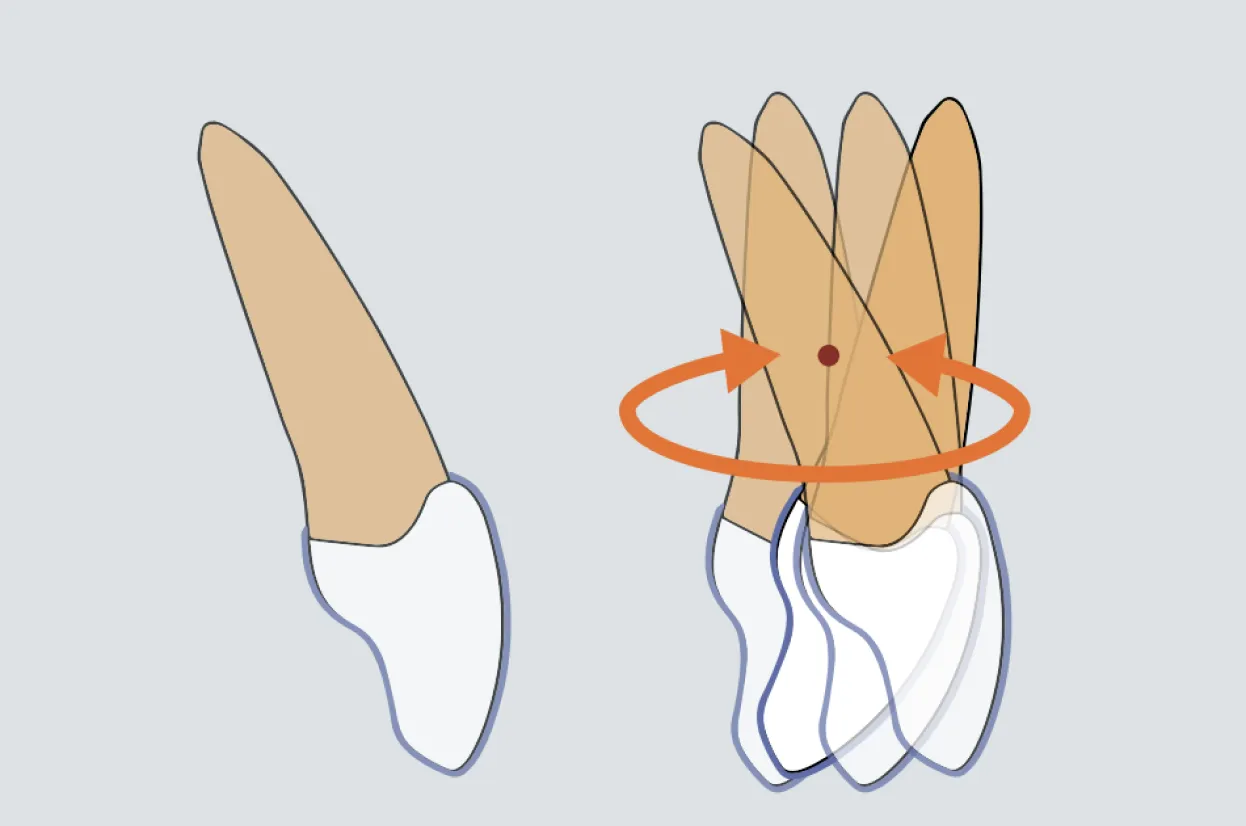
These are manufacturer illustrations. Movement, tipping, and the need for bonded attachments depend on the case and treatment plan.