Full-service aligners
Clinical Applications
The malocclusions and case types full-service shape memory aligners support.

Case difficulty
From mild crowding to the most complex cases.
Shape Memory Aligners™ treat complex cases without attachments or auxiliary devices. Before-and-after results by case difficulty:
Level 1
Mild crowding
- · Crowding ≤ 4 mm
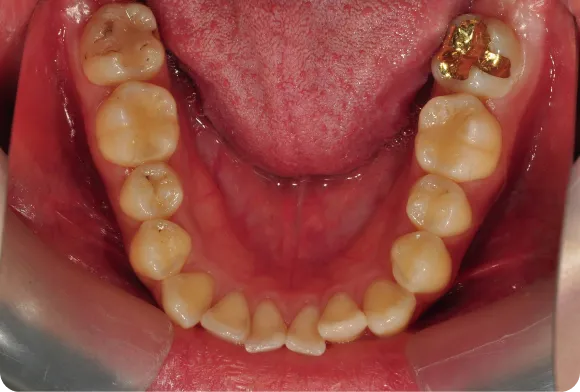
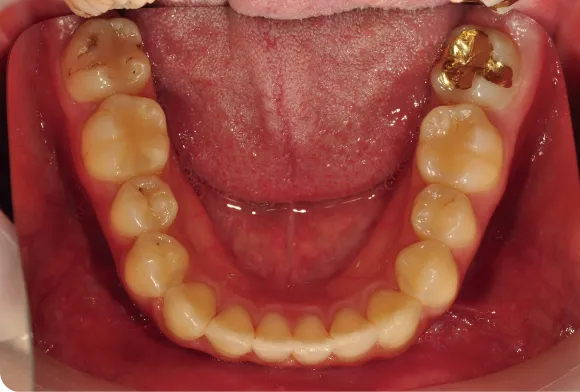
Level 2
Moderate crowding
- · Crowding 5–8 mm
- · Molar expansion
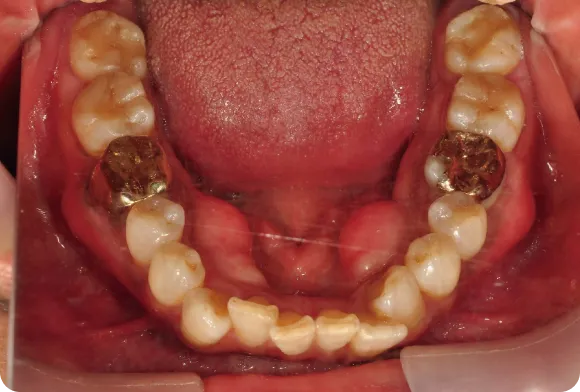
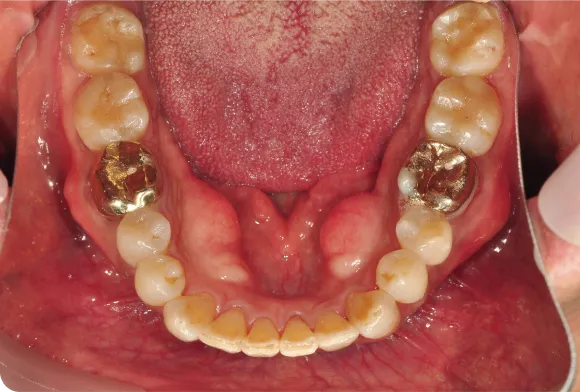
Level 3
Severe crowding
- · Crowding ≥ 9 mm
- · Molar expansion
- · Molar translation to close the extraction space
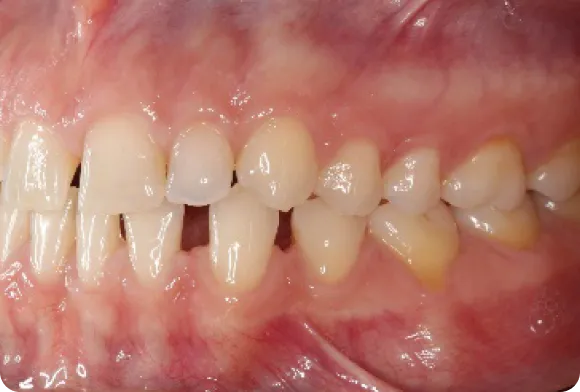
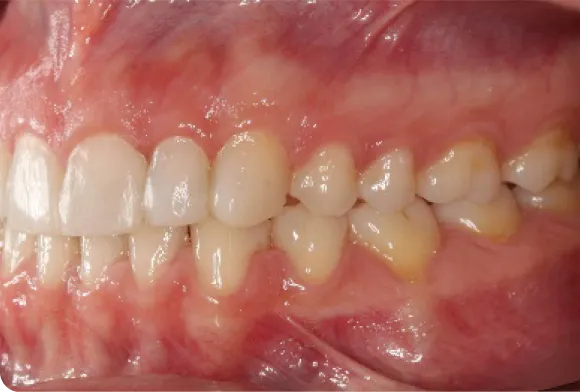
Level 4
Severe crowding
- · Crowding ≥ 9 mm
- · Molar expansion
- · Molar distalization
- · Anterior extrusion
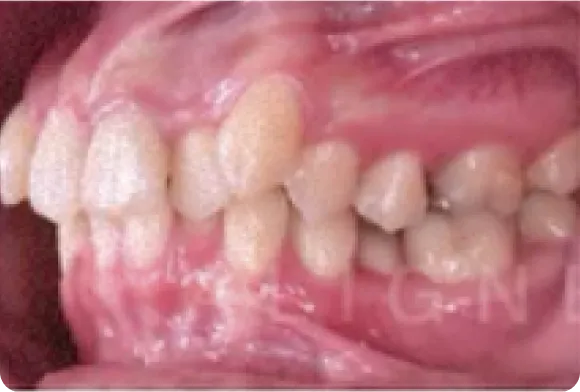
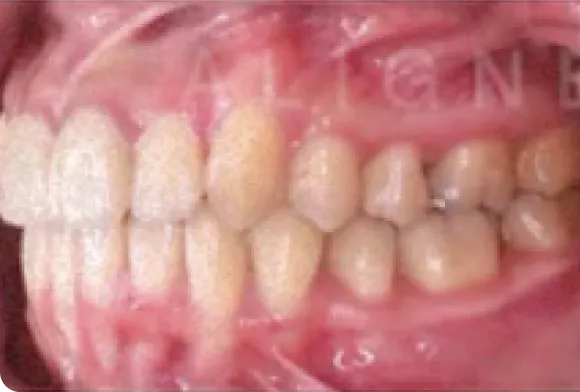
Level 5
Severe crowding — most difficult
- · Crowding ≥ 9 mm
- · Molar expansion
- · Molar protraction
- · Correction of severe canine and premolar rotation
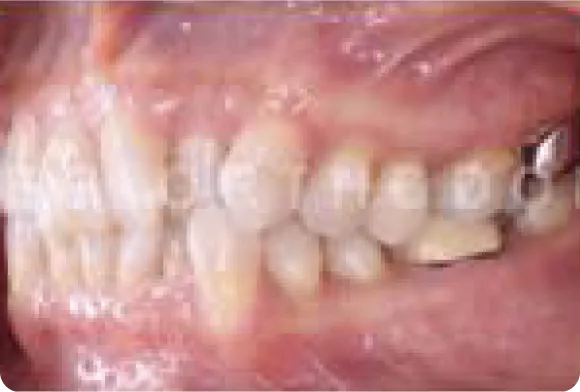
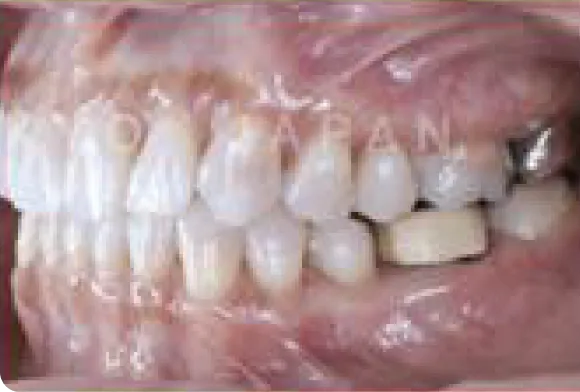
Reference: Contemporary Orthodontics. Results vary by patient; treatment decisions remain with the treating clinician.
Beyond aligners
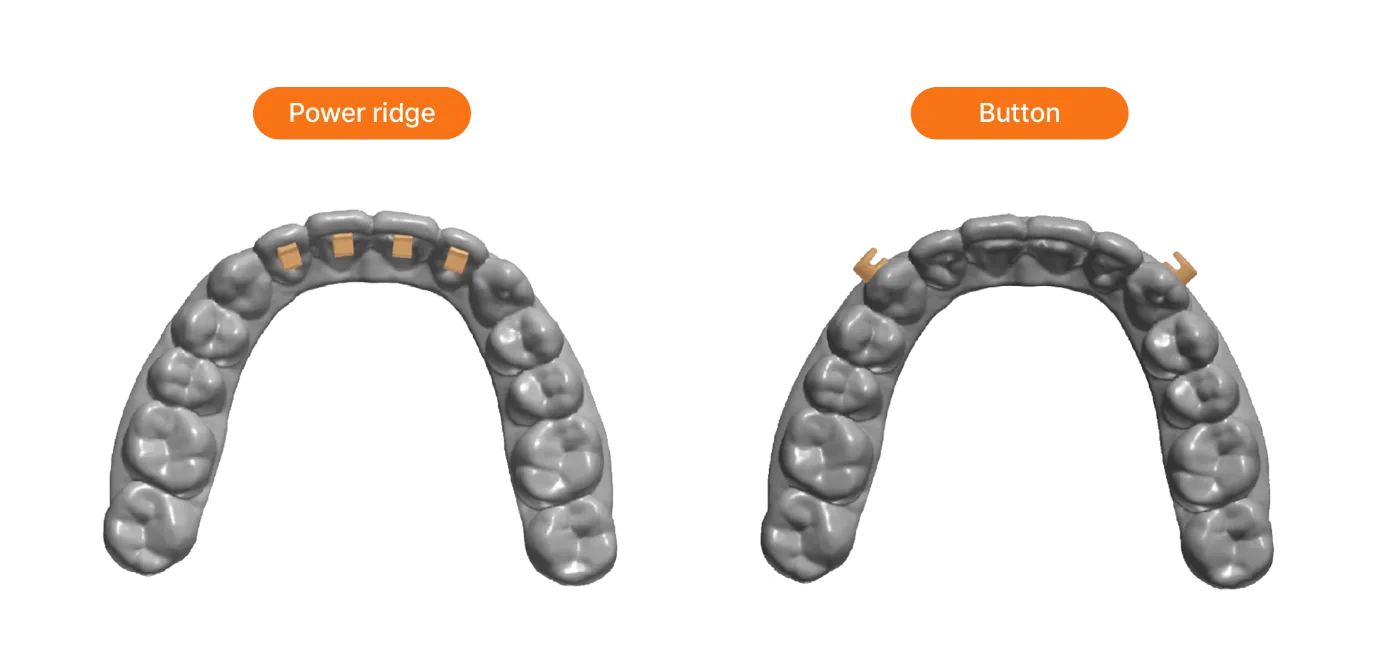
Direct 3D printing enables a wide range of orthodontic appliances.
Because Shape Memory Aligners™ are designed and printed digitally, the same workflow supports appliances that thermoforming can't produce — with thickness controlled precisely where it's needed.
Have a specific case in mind?
Ask our clinical team whether it's a fit for full-service SMA™.